Finding the perfect fragrance can transform your presence and boost your confidence. When you shop perfume online, understanding scent profiles, fragrance families, and your personal style preferences becomes essential. Whether you’re searching for a signature scent or exploring new fragrances, making an informed choice ensures you invest in a perfume that truly represents you. This guide will walk you through everything you need to know about selecting the right fragrance, from understanding perfume notes to testing techniques that work.
Key Takeaways
- Learn how to identify fragrance families and notes that match your personality and lifestyle
- Discover smart strategies for testing and sampling perfumes before committing to a full-size bottle
- Understand the difference between eau de parfum, eau de toilette, and other fragrance concentrations to make informed purchases
Understanding Fragrance Families Before You Shop Fragrance
Knowing the four main fragrance families—floral, oriental, woody, and fresh—helps you narrow down options and find scents that align with your preferences and occasions.
Fragrance families serve as the foundation for every perfume creation. Floral scents feature rose, jasmine, and lily notes, perfect for romantic occasions and everyday elegance. Oriental fragrances combine warm spices, vanilla, and amber for evening wear and special events. Woody fragrances showcase sandalwood, cedar, and vetiver, offering earthy sophistication. Fresh scents incorporate citrus, aquatic, and green notes for a clean, energizing presence. According to fragrance industry research, approximately 35% of women prefer floral fragrances, making it the most popular category. Understanding these families helps you communicate your preferences when exploring perfume collections and makes online shopping more efficient. Consider your wardrobe style too—just as you choose clothing that reflects your personality, your fragrance should complement your overall aesthetic.
Decoding Perfume Notes: Top, Heart, and Base
Perfumes reveal themselves in three stages: top notes appear immediately, heart notes emerge after 15 minutes, and base notes last for hours, creating the complete fragrance experience.
Every perfume tells a story through its layered composition. Top notes are what you smell first when you spray—citrus, light florals, or herbs that create the initial impression. These evaporate within 15 minutes, transitioning to heart notes, the perfume’s true character featuring richer florals, fruits, or spices. Base notes form the foundation with ingredients like musk, vanilla, amber, and woods that linger for 4-6 hours. When you shop perfume near me or online, understanding this structure helps you evaluate whether a fragrance suits you beyond the first spritz. Statistics show that 60% of fragrance purchases are returned because buyers only tested the top notes and didn’t experience the full development. Take time to let a perfume evolve on your skin or on a test strip. Visit perfume stores where you can explore different scent profiles and understand how each layer unfolds throughout the day.
Seasonal Scent Selection Strategy
Choosing fragrances based on seasons enhances their performance—light, fresh scents suit warm weather while rich, warm fragrances shine in cooler months.
- Spring/Summer: Opt for citrus, aquatic, and light floral notes that feel refreshing in heat. These fragrances with 3-5% concentration work perfectly for daytime wear and won’t overwhelm in warm temperatures.
- Fall/Winter: Embrace deeper oriental, woody, and spicy scents with 8-15% concentration. These richer fragrances develop beautifully in cooler air and provide lasting warmth.
- Year-Round Options: Fresh florals and clean musks transition seamlessly across seasons, offering versatility for those who prefer one signature scent.
Seasonal rotation prevents olfactory fatigue and keeps your fragrance wardrobe exciting. Research indicates that perfumes perform 30% better when matched to temperature and humidity levels. Summer heat intensifies fragrance, requiring lighter application, while winter cold mutes scent projection, allowing for more generous use. Consider building a small perfume collection with 2-3 seasonal options rather than relying on a single fragrance year-round.
The Art of Testing Perfume Without Wearing It
Smart testing techniques including blotter strips, sample vials, and strategic timing help you evaluate fragrances accurately before purchasing full-size bottles.
Testing perfume properly prevents costly mistakes. Start with blotter strips available at most fragrance counters—spray once, wait 30 seconds, and smell from 6 inches away to avoid overwhelming your senses. Limit testing to 3-4 fragrances per session as your nose becomes fatigued beyond this point. Request sample vials to test at home over several days, observing how the scent evolves and whether it complements your body chemistry. Never test directly on skin immediately; your natural oils and pH levels affect how perfume develops, and you need time to assess. A study by the Fragrance Foundation found that 78% of successful perfume purchases involved home testing with samples. When you shop fragrance online, look for retailers offering discovery sets or mini sizes. Test one fragrance daily, wearing it for a full day to experience all three note stages, then decide if it deserves a place in your collection.
Concentration Levels: EDC, EDT, EDP, and Parfum
Perfume concentrations range from 3% (Eau de Cologne) to 30% (Pure Parfum), determining intensity, longevity, and price point of your fragrance.
Understanding concentration helps you shop smarter. Eau de Cologne (EDC) contains 3-5% fragrance oils, lasting 2-3 hours, ideal for casual daily wear and warm weather. Eau de Toilette (EDT) features 5-8% concentration, lasting 3-4 hours, perfect for office environments and daytime activities. Eau de Parfum (EDP) holds 8-15% oils, lasting 4-6 hours, suitable for evening events and making lasting impressions. Pure Parfum offers 15-30% concentration, lasting 6-8 hours, representing luxury investments for special occasions. Price reflects concentration—EDT costs approximately 40% less than EDP of the same fragrance. According to market research, 65% of women prefer EDP for its balance of longevity and intensity. When browsing perfume products, check concentration levels to ensure the longevity matches your needs and budget. Higher concentration doesn’t always mean better—choose based on your lifestyle, wearing occasions, and desired intensity.
Body Chemistry and Fragrance Compatibility
Your skin’s pH, diet, and natural oils affect how perfume smells on you, making personal testing essential even when shopping for popular fragrances.
The same perfume smells different on everyone due to individual body chemistry. Skin pH varies between 4.5 and 6.5—more acidic skin enhances citrus and green notes while neutral pH balances all notes evenly. Diet influences scent too; consuming spicy foods or garlic can alter fragrance development, while hydration improves perfume longevity by 25%. Moisturized skin holds fragrance better than dry skin, so apply unscented lotion before perfume. Hormonal changes during menstrual cycles, pregnancy, or menopause shift how fragrances smell on you. Temperature matters—warmer pulse points like wrists, neck, and behind ears project scent effectively. External research from dermatologists suggests applying perfume to pulse points where blood vessels are closest to skin surface maximizes warmth and projection. Test fragrances during different times of your cycle and in various environments. Browse our shop for fragrance options, but remember that popular doesn’t guarantee it works for you—your unique chemistry creates your signature scent.
Building a Versatile Perfume Wardrobe
A well-curated perfume collection includes 3-5 fragrances covering different occasions, moods, and seasons rather than dozens of rarely-used bottles.
- Day Signature: One fresh or light floral for professional settings and casual outings
- Evening/Special Events: One sophisticated oriental or woody scent for dates and celebrations
- Seasonal Rotation: One summer fresh and one winter warm fragrance
- Mood-Based Options: Consider an energizing citrus and a calming lavender-based scent
Quality trumps quantity in perfume collecting. Three well-chosen fragrances provide more versatility than ten random selections. Industry experts recommend the “3-bottle minimum, 5-bottle maximum” approach for practical collections. This prevents fragrance oxidation—opened perfumes last 3-5 years, while unopened bottles last 10+ years. Rotate fragrances to prevent olfactory fatigue, where you stop noticing your signature scent. Store perfumes away from direct sunlight and heat, in their original boxes to preserve quality. Investment in smaller sizes (30ml) of multiple fragrances often proves more satisfying than large bottles (100ml) of single scents. According to fragrance consultants, 70% of perfume collections contain bottles that never get finished. Start small, understand what you truly wear, then expand thoughtfully based on gaps in your collection.
Conclusion
Shopping for perfume transforms from overwhelming to enjoyable when you understand fragrance families, notes, concentrations, and your personal chemistry. Whether you shop perfume online or in-store, applying these seven expert tips ensures confident purchases that enhance your style and presence. Remember to test thoughtfully, build your collection gradually, and choose fragrances that resonate with your personality and lifestyle. Ready to find your signature scent? Explore our curated fragrance selection and discover perfumes that speak to your unique style. Start your fragrance journey today and let your scent tell your story.
Perfume longevity depends on concentration levels. Eau de Toilette lasts 3-4 hours, Eau de Parfum lasts 4-6 hours, and Pure Parfum lasts 6-8 hours. Applying to moisturized skin extends wear time. Fragrances like Woodveil and Amorven are known for their impressive longevity on skin.
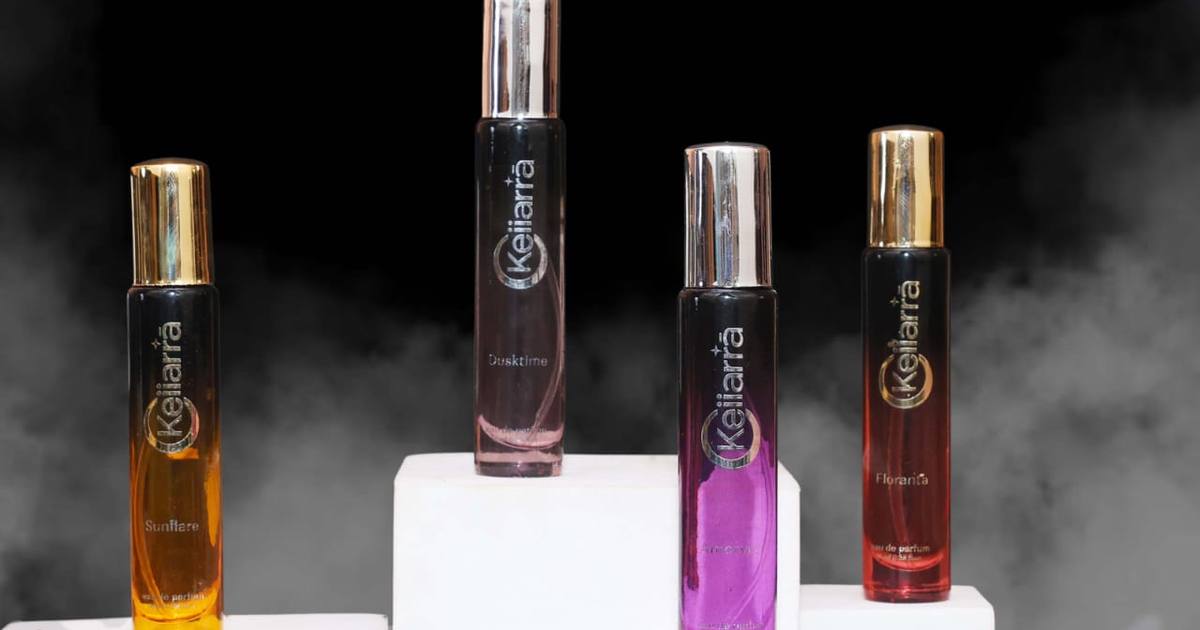
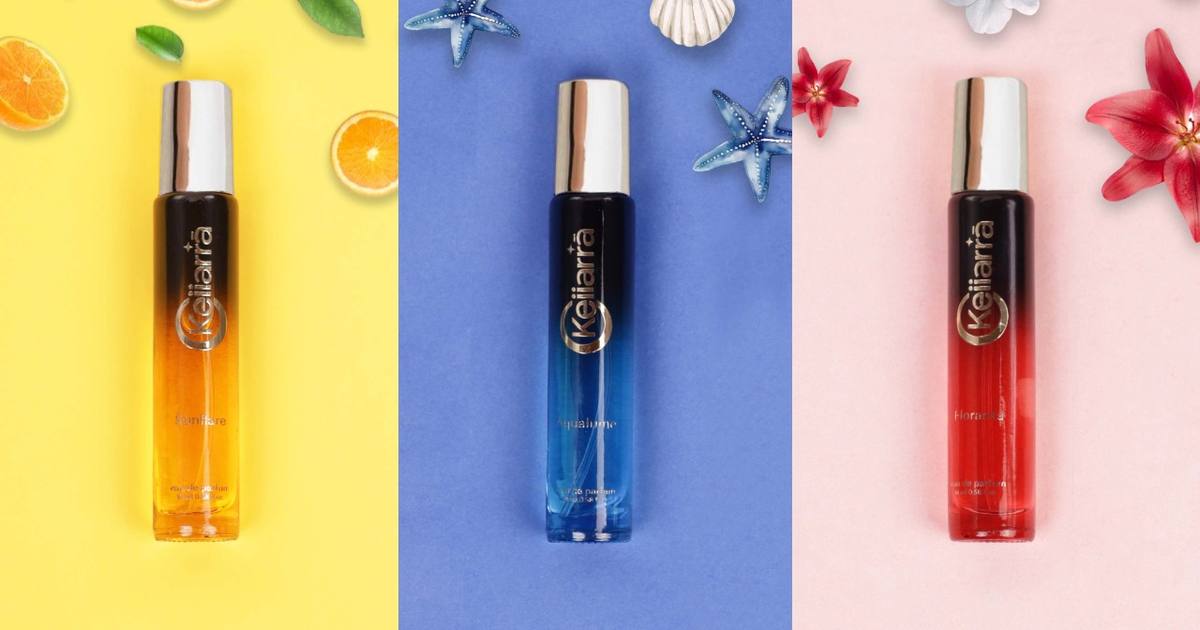
Eau de Parfum contains 8-15% fragrance oils and lasts longer, while Eau de Toilette has 5-8% concentration with lighter, fresher projection. EDP works better for evening while EDT suits daytime wear. Sunflare is a great example of how concentration affects scent intensity and wear time.
Yes, fragrance layering creates unique scents by combining complementary fragrances. Start with heavier base notes, add lighter scents on top, and avoid mixing more than two fragrances. The Twilight Moments Collection offers scents specifically crafted to work beautifully together when layered.
Apply perfume to pulse points: wrists, neck, behind ears, inner elbows, and behind knees. These warm areas project fragrance effectively. Avoid rubbing wrists together as it breaks down fragrance molecules. Understanding proper application enhances any scent, from Floranta to Dusktime.
Test perfume on your skin and wear it for a full day to experience all fragrance stages. A suitable perfume complements your body chemistry, matches your lifestyle occasions, and receives positive feedback from others. Sniff & Stash Minis allow you to sample multiple scents over several days before choosing your favorite.
No, bathrooms have high humidity and temperature fluctuations that degrade perfume quality. Store fragrances in cool, dry places away from direct sunlight, preferably in their original boxes to maintain longevity and scent integrity.
Fragrance notes are individual scent components that unfold over time. Top notes provide initial impression, heart notes form the main character, and base notes create lasting impression. Understanding notes helps predict how perfume evolves throughout wear. Radiant fragrances typically feature brighter top notes, while Twilight scents showcase deeper, more mysterious compositions.
Apply 2-4 sprays depending on concentration. Use 2 sprays for Eau de Parfum on pulse points, 3-4 sprays for Eau de Toilette. The Radiant Elements Collection includes guidelines for optimal application based on each fragrance’s intensity.
Yes, perfumes typically last 3-5 years when opened and stored properly. Signs of expiration include color changes, altered scent, or separation. Unopened perfumes stored correctly can last 10+ years. Always check for oxidation before wearing old fragrances.
Not necessarily. Price reflects brand prestige, packaging, and marketing rather than just quality. Many affordable perfumes use quality ingredients and offer excellent performance. Aqualume demonstrates how well-crafted fragrances deliver exceptional quality regardless of price point.