

Walk into any fragrance section and you will see it: a hard divide between men’s and women’s shelves. But spend time exploring perfumery beyond that division and a question starts to form: what actually makes these categories different? And where does unisex vs gendered perfume stand in relation to each? The answer is more about marketing than chemistry. This guide breaks down the real differences between unisex, men’s, and women’s fragrances — in notes, construction, and intent — and explains why a growing number of shoppers in India are moving away from gendered labels entirely.
Key Takeaways
- The difference between men’s, women’s, and unisex perfumes is primarily in note composition and marketing conventions, not in any fundamental chemical distinction.
- Gender labelling in fragrance is a 20th-century commercial invention — most historic perfumes were worn by all genders.
- Choosing a fragrance based on how it smells on your skin, rather than which shelf it came from, always leads to a better result.
How Perfume Became Gendered in the First Place
For most of fragrance history, scent had no gender. Ancient Egyptians, Romans, and the Mughal courts all used fragrance freely, regardless of identity. The same fragrance chemistry — resins, florals, woods, musks — appeared in perfumes worn across all genders for centuries.
Gender coding in fragrance is largely a 20th-century commercial invention. As mass marketing developed, brands discovered that positioning products for specific demographics — women’s perfume in delicate, curved bottles; men’s cologne in angular, dark packaging — increased purchase rates by simplifying the buying decision. The scent itself was secondary to the demographic signal.
By the mid-20th century, the division was deeply entrenched: heavy florals and powdery musks for women, tobacco, leather, and wood for men. These conventions held for decades. What we call a "men’s fragrance" or a "women’s perfume" today is the product of seventy years of marketing convention, not fragrance science.
The Real Differences in Note Composition
While gender labelling is primarily a marketing tool, there are genuine compositional tendencies that distinguish how these categories have been traditionally built. Understanding these tendencies helps explain what makes a fragrance for all — an inclusive perfume — different in practice.
How Men’s Fragrances Are Typically Built
Men’s fragrances traditionally lean toward woody, earthy, and resinous notes. Vetiver, oakmoss, cedarwood, tobacco, leather, and oud are common base notes. Top notes tend to be fresh or spicy — bergamot, pepper, cardamom. The overall composition aims for a dry-down that reads as strong, assertive, and grounding. Sillage tends to be heavier, and bottle design is typically angular and dark.
How Women’s Fragrances Are Typically Built
Women’s fragrances traditionally lead with florals and sweetness. Rose, jasmine, ylang-ylang, and peony are common heart notes. Base notes lean toward musks, vanilla, and powdery ambers. Top notes are often fruity — peach, bergamot, pear. The overall composition is designed to read as soft, warm, and approachable. Bottles tend to be curved, pastel-toned, and ornate.
How Unisex Fragrances Are Built Differently
A gender neutral vs feminine fragrance or a gender neutral vs masculine fragrance differs not by omitting these notes, but by balancing them. A unisex formula avoids pushing so far in any one direction that the fragrance reads as coded for one gender. Citrus, aquatic, clean musk, light sandalwood, and subtle spice sit naturally in the middle of the fragrance families spectrum. These notes do not signal gender — they simply smell good on all skin types.

Why These Distinctions Are Becoming Outdated
The fragrance world is shifting. A growing number of brands, particularly in the niche and indie segment, are abandoning gender labelling entirely. Consumers — especially those under 35 — are choosing fragrances based on scent profile, longevity, and how a perfume makes them feel, not based on which shelf it came from.
The data reflects this. The global gender-neutral fragrance market is growing at a strong pace, driven by younger demographics who see fragrance as a form of personal expression rather than a gender signal. In India, this shift is visible in the rising popularity of niche Indian fragrance brands that lead with story and scent rather than demographic targeting.
There is also a practical dimension. When you choose a fragrance based purely on how it smells on your skin, you get a better result. Skin chemistry is individual — a note that reads as fresh and clean on one person may develop differently on another. Gender labelling shortcuts that discovery process in a way that often leads buyers to fragrances that are not actually right for them.
How to Shop for Fragrance Without the Gender Label
Removing the label as a filter forces you to engage with the actual scent. This is how experienced fragrance buyers shop — by testing, developing, and deciding based on how a perfume behaves on their skin over two to three hours.
- Start with fragrance families, not categories. Decide whether you prefer fresh, floral, woody, oriental, or aquatic scents. These families cross gender lines naturally.
- Test on skin, not paper. A fragrance strip tells you the top notes only. The heart and base notes — which determine character and longevity — only develop on skin over time.
- Give it two hours. A fragrance’s dry-down, what it smells like after two hours of wear, is often very different from its opening. Base notes tell the real story.
- Use discovery kits. Sampling multiple fragrances at once removes the pressure of commitment and lets you evaluate several scent families side by side.
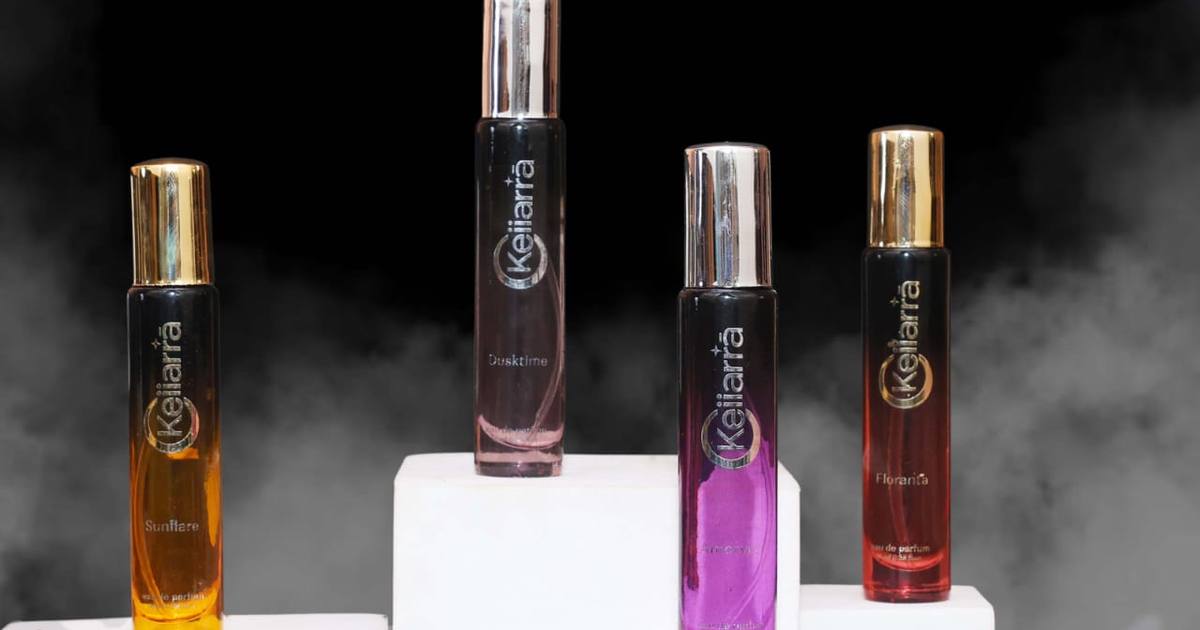
Keiiarra’s Radiant Elements Collection is a practical starting point for anyone exploring inclusive perfume without the gender label. Three distinct EDPs — fresh, floral, and warm — in one set, all formulated to work beautifully on any wearer. Explore Keiiarra’s full range to find the scent that fits you, not a category.
Conclusion
The difference between a unisex perfume and a gendered fragrance comes down to composition and intent. Men’s and women’s fragrances were built around marketing conventions that are now slowly dissolving. Unisex fragrances, by contrast, are built around scent itself — balanced, expressive, and designed for the person wearing them rather than a demographic box. The shift in Indian perfumery toward inclusive fragrance is not a trend. It is a return to how fragrance was always meant to work: a personal, emotional, and deeply individual experience. Read more about About Keiiarra and the values behind its gender-neutral approach to perfumery.
Frequently Asked Questions
What is the main difference between unisex and gendered perfumes?
Gendered fragrances use note compositions that historically signal masculinity or femininity — heavy woods and leather for men, powdery florals for women. Unisex perfumes use balanced mid-range notes that work comfortably on all skin types without gender coding.
Is unisex perfume just a marketing term?
Partly. Like "men’s" and "women’s" labels, "unisex" is also a positioning choice. The real distinction is in composition — unisex fragrances actively avoid extreme note profiles that read as gendered, making them genuinely wearable by any person.
Can women wear men’s cologne and still smell good?
Absolutely. Fragrance categories are marketing conventions. A "men’s cologne" can smell exceptional on a woman if the note profile suits her skin chemistry. The same is true in reverse. Skin chemistry determines how a fragrance develops, not gender labelling.
Do men’s and women’s perfumes have different chemical compositions?
Not fundamentally. Both use the same fragrance families — florals, woods, musks, spices, citrus. The difference is in which notes dominate and how they are balanced. There is no ingredient exclusive to either gender category.
What makes a fragrance "gender-neutral"?
A gender-neutral fragrance uses balanced note combinations that sit in the middle of the fragrance wheel — citrus, aquatic, clean musk, light woody. It avoids pushing too far toward the heavy, dry profiles coded masculine or the sweet, powdery profiles coded feminine.
Are unisex perfumes better quality than gendered fragrances?
Quality depends on formulation and ingredients, not gender labelling. A high-quality unisex EDP and a high-quality women’s EDP can both be excellent perfumes. The difference is in composition and intent, not in quality standards.
Why do men’s and women’s perfumes look so different on the shelf?
Bottle design is part of the gender marketing system. Dark, angular bottles signal masculinity; curved, pastel bottles signal femininity. These are branding conventions, not functional differences. Unisex brands typically use clean, minimal packaging to communicate freedom from those conventions.
Is it socially acceptable for men to wear floral fragrances in India?
Increasingly, yes. Younger Indian consumers are moving away from gendered fragrance conventions. Many popular niche fragrances worn by men feature prominent floral notes. Fragrance preference is personal, and social norms around this are changing rapidly.
What are the best inclusive perfume brands in India?
Keiiarra is one of the few Indian fragrance brands built entirely on gender-neutral principles. Explore the Twilight Moments Collection and Radiant Elements Collection for an introduction to inclusive Indian perfumery across multiple scent families.
How do I know which perfume suits me without gender labels to guide me?
Start by identifying the scent families you naturally enjoy — fresh, floral, woody, or oriental. Test options on your skin and evaluate how they develop over two hours. Your personal skin chemistry and lifestyle are far better guides than any gender label.